
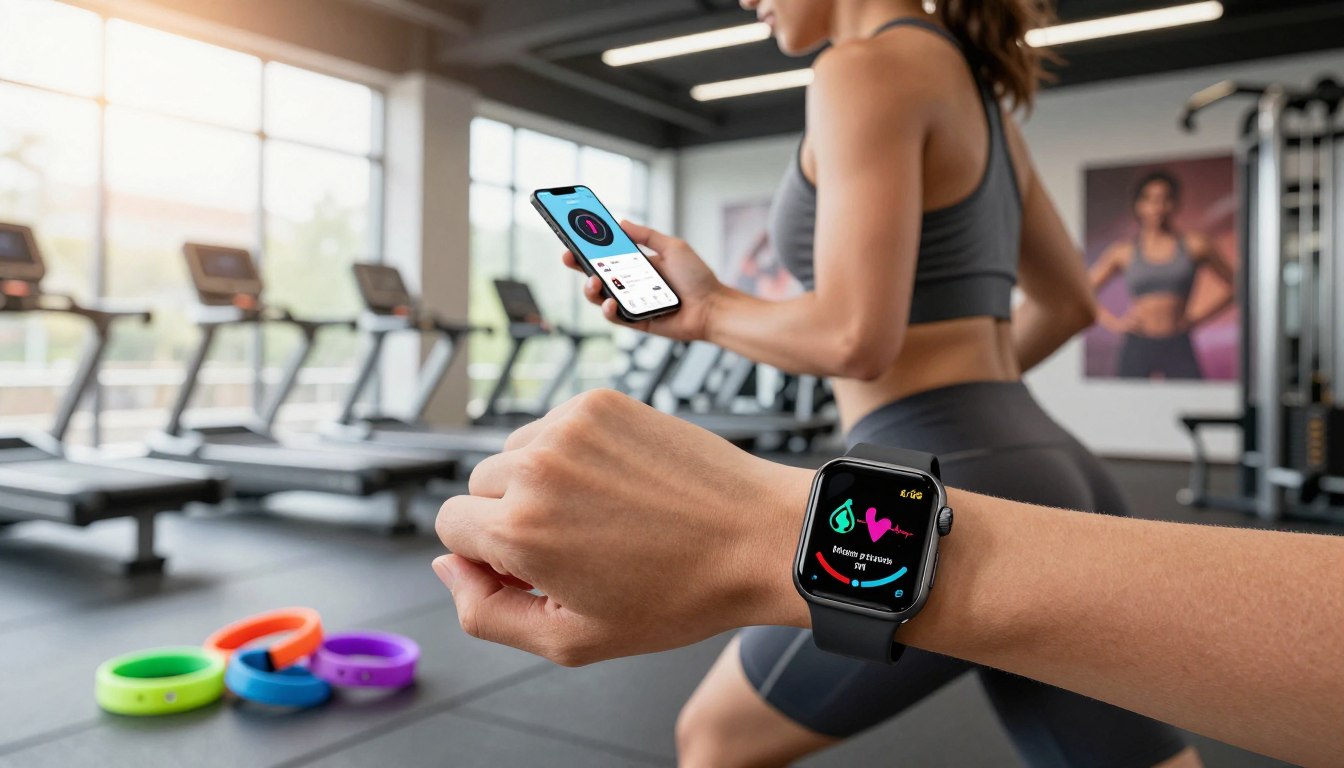
Did you know that the average wearable device now collects over 250,000 data points about your body every single day? This massive stream of biological info is rapidly changing how we approach health in the United States. It turns out that listening to your heart is much easier when you have the right digital tools.
Embracing modern fitness tracking technology allows you to see exactly how your body responds to every single move. It is essentially like having a personal health coach on your wrist that never sleeps. This guide explores how these smart devices help you reach your personal goals faster.
Whether you want to sleep better or train for a big race, these gadgets offer incredible biological insights. We will dive into the best ways to use these tools to transform your daily routine. Let’s get started on this exciting journey together to unlock your full potential.
You can finally stop guessing about your progress and start seeing real numbers. These digital companions make it simple to stay motivated and healthy every day. Are you ready to see what your body is truly capable of achieving?
Key Takeaways
- Discover how data-driven insights can personalize your wellness routine.
- Understand the role of real-time monitoring in achieving long-term health goals.
- Learn to interpret sleep and recovery metrics for better performance.
- Identify the most effective features of modern wearable devices.
- Find out how to stay motivated using social and digital challenges.
- Improve your daily habits through consistent biological feedback.
Understanding What Fitness Tracking Technology Can Do for You
The rise of fitness tracking technology has given individuals a powerful tool to monitor and manage their health. Fitness wearables and health monitoring devices have become increasingly sophisticated, providing users with a wealth of information about their physical activity, health metrics, and overall well-being.
How These Smart Devices Monitor Your Body
Fitness wearables utilize various sensors to track different aspects of your health and fitness. These sensors can include accelerometers to measure movement, heart rate monitors to track cardiac activity, and GPS to monitor distance and pace during outdoor activities. By wearing these devices, individuals can gain a comprehensive understanding of their daily activity levels and physical condition.
The Key Health Metrics You’ll Track Daily
With fitness wearables, users can track a variety of key health metrics on a daily basis. These metrics can include:
- Steps taken and distance traveled
- Calories burned and active minutes
- Heart rate and heart rate variability
- Sleep quality and duration
By monitoring these metrics, individuals can identify patterns and trends in their health and fitness, making it easier to set and achieve goals.
Real Benefits You Can Expect from Consistent Use
Consistent use of fitness tracking technology can lead to numerous benefits, including improved physical fitness, enhanced health monitoring, and increased motivation to engage in physical activity. By leveraging the data provided by these devices, individuals can make informed decisions about their health and fitness, leading to a more balanced and active lifestyle.
How to Select the Perfect Fitness Wearable for Your Needs
To navigate the complex world of fitness wearables, it’s essential to start by defining your fitness objectives and then matching them with the right device.
Step 1: Identify Your Primary Fitness Goals
Understanding your primary fitness goals is crucial in selecting a wearable that meets your needs. Are you a runner looking for a device that tracks your pace and distance, or do you need a tracker that monitors your daily activity levels?
Step 2: Compare Device Types and Their Specialties
Different devices cater to different needs. Let’s explore the specialties of various device types.
Smartwatches Like Apple Watch Series 9 and Samsung Galaxy Watch 6
Smartwatches are versatile devices that not only track fitness metrics but also offer smartphone functionality. The Apple Watch Series 9 and Samsung Galaxy Watch 6 are popular choices, offering a wide range of fitness tracking features alongside notification support and app integration.
Dedicated Fitness Bands Such as Fitbit Charge 6 and Xiaomi Mi Band 8
Dedicated fitness bands are designed specifically for tracking fitness and health metrics. Devices like the Fitbit Charge 6 and Xiaomi Mi Band 8 offer advanced health monitoring features, long battery life, and are often more affordable than smartwatches.
Specialized Trackers Like Garmin Forerunner 265 and WHOOP 4.0
For athletes with specific needs, such as runners or swimmers, specialized trackers like the Garmin Forerunner 265 and WHOOP 4.0 provide detailed performance metrics and insights that can help improve their training.
Step 3: Consider Your Budget and Must-Have Features
When choosing a fitness wearable, it’s essential to consider your budget and the features that are must-haves for you. Here’s a comparison table to help you decide:
| Device Type | Price Range | Key Features |
|---|---|---|
| Smartwatches | $200-$1,000 | Notification support, app integration, fitness tracking |
| Dedicated Fitness Bands | $50-$200 | Advanced health monitoring, long battery life |
| Specialized Trackers | $150-$500 | Detailed performance metrics, water resistance |
By following these steps and considering your needs, budget, and preferred features, you can select the perfect fitness wearable to support your fitness journey.
Setting Up Your Activity Tracker the Right Way
To unlock the full potential of your fitness wearable, follow these essential setup steps. A well-configured device not only enhances your user experience but also ensures that you receive accurate data to track your progress.
Entering Your Personal Information Accurately
Accurate personal information is crucial for your exercise tracker to provide meaningful data. This includes details such as age, weight, height, and gender. To enter this information, navigate to the settings menu on your device or its companion app. Ensure all details are up-to-date and accurate to get the most reliable tracking results.
For instance, entering the correct age and gender helps the device estimate your maximum heart rate and caloric expenditure more accurately. Similarly, your height and weight are essential for calculating distance traveled and energy burned during activities.
Wearing Your Device for Optimal Readings
Wearing your exercise tracker correctly is vital for obtaining accurate readings. Most devices are designed to be worn on the wrist, similar to a watch. Ensure the device is snug but not too tight, as this can affect comfort and data accuracy.
The device should be worn on the non-dominant hand to minimize unnecessary movements being recorded as activity. For example, if you’re right-handed, wear the tracker on your left wrist. This helps in getting a more accurate picture of your daily activity levels.
Connecting and Syncing with Your Smartphone
Connecting your exercise tracker to your smartphone enhances its functionality. It allows for features like notification alerts, GPS tracking (for devices that don’t have built-in GPS), and data syncing with health apps. To connect your device, follow the manufacturer’s instructions, typically involving Bluetooth pairing.
Once connected, your data will sync automatically, providing a comprehensive view of your activity levels, sleep patterns, and other health metrics. This integration is key to leveraging the full potential of your exercise tracker.
Customizing Your Dashboard and Notifications
Customizing your dashboard and notifications personalizes your experience. Most devices and their companion apps allow you to choose what data is displayed on the main screen and how often you receive notifications. Tailor these settings to focus on the metrics that matter most to you, whether it’s daily step count, heart rate, or upcoming calendar events.
| Customization Option | Description | Benefit |
|---|---|---|
| Dashboard Metrics | Choose what data is displayed on the main screen | Focus on key metrics |
| Notification Preferences | Select the types of alerts you receive | Stay informed without distractions |
| Data Syncing | Sync data with health apps and services | Comprehensive health overview |
As noted by fitness experts, “Customizing your fitness tracker to fit your lifestyle and goals can significantly enhance your motivation and overall fitness journey.” By following these setup steps, you’ll be well on your way to maximizing the benefits of your exercise tracker.
“The right setup is the foundation of a successful fitness tracking journey.”
Creating and Tracking Meaningful Fitness Goals
The key to a successful fitness regimen lies in creating and tracking achievable goals. Fitness tracking technology provides the tools necessary to set and monitor these goals effectively.
How to Establish Your Baseline Measurements
To start, it’s essential to establish your baseline measurements. This includes tracking your current activity levels, heart rate, and other relevant health metrics. By understanding where you are starting from, you can set realistic targets that are challenging yet attainable.
Your baseline measurements serve as a reference point for your fitness journey. They help you understand your current fitness level and identify areas for improvement. Most fitness tech devices allow you to monitor various health metrics, including heart rate, steps taken, and calories burned.
How to Set Progressive Daily and Weekly Targets
Once you have established your baseline, you can begin setting daily and weekly targets. These targets should be progressive, meaning they should challenge you to improve over time. For example, if you’re just starting out, your goal might be to walk 5,000 steps per day. As you get more comfortable, you can increase this target to 7,000 or 10,000 steps.
Setting progressive targets helps keep you motivated and engaged in your fitness journey. It’s also important to make sure your goals are specific, measurable, achievable, relevant, and time-bound (SMART). This framework will help you create goals that are clear and actionable.
How to Use Milestones and Achievements for Motivation
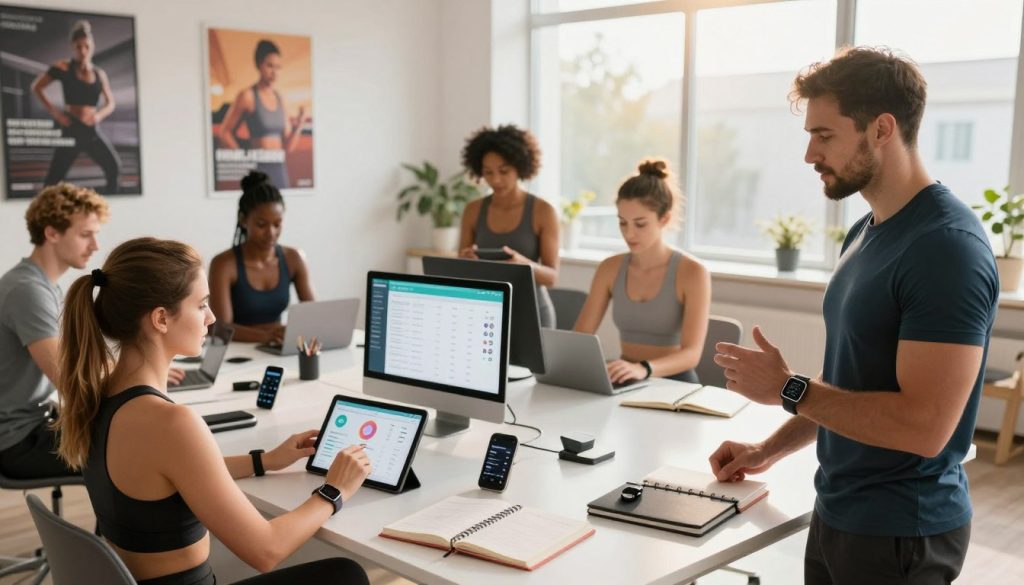
Milestones and achievements are powerful motivators when it comes to fitness. By celebrating your successes along the way, you can stay motivated and encouraged to continue pushing yourself. Most fitness tracking devices and apps allow you to set milestones and track your progress towards them.
For instance, you might set a milestone to complete a certain number of workouts within a month or to reach a new personal best in your running distance. Achieving these milestones can give you a sense of accomplishment and boost your motivation to continue.
Example Milestones:
- Completing a 30-day workout challenge
- Reaching a new personal best in running distance
- Achieving a certain number of steps per day for a week
| Week | Steps per Day | Workouts Completed |
|---|---|---|
| 1 | 5,000 | 3 |
| 2 | 6,000 | 4 |
| 3 | 7,000 | 5 |
How to Read and Apply Your Health Data
Unlocking the full potential of your wearable technology requires understanding the wealth of health data it provides. Fitness tracking devices collect a vast amount of information about your daily activities, sleep, heart rate, and more. Making sense of this data is crucial for achieving your health and fitness goals.
Decoding Your Heart Rate Data and Training Zones
Heart rate data is a critical metric for understanding your physical condition and optimizing your workouts. Training zones are determined based on your heart rate, indicating the intensity of your exercise. There are typically five zones, ranging from low-intensity exercise to maximum effort.
Understanding these zones helps you tailor your workouts to specific goals, such as improving cardiovascular health or increasing endurance. For instance, zone 2 is often associated with aerobic exercise, where you’re working at a moderate intensity.
| Training Zone | Intensity | Example Activities |
|---|---|---|
| Zone 1 | Low | Light walking, yoga |
| Zone 2 | Moderate | Jogging, cycling |
| Zone 3 | Challenging | Running, swimming laps |
Understanding Your Sleep Stages and Quality Scores
Sleep tracking is another valuable feature of wearable technology. Devices can monitor different stages of sleep, including light, deep, and REM sleep. Sleep quality scores are calculated based on these stages, providing insights into your restfulness and recovery.
As noted by sleep experts, “Understanding your sleep patterns can significantly impact your overall health and well-being.”
“Sleep is essential for physical recovery, mental health, and cognitive function.”
Interpreting Steps, Calories, and Active Minutes
Daily activity metrics such as steps taken, calories burned, and active minutes are fundamental to assessing your daily movement. Setting daily step goals, for example, can encourage more physical activity.
- Steps taken: Aim for at least 10,000 steps per day for general health.
- Calories burned: Monitor this to manage weight or optimize energy expenditure.
- Active minutes: Track the time spent in moderate to vigorous activity.
Using Recovery Metrics to Prevent Overtraining
Recovery metrics help you understand how your body is responding to exercise and other stressors. By monitoring recovery, you can avoid overtraining, which can lead to injury or burnout.
By applying the insights gained from your wearable technology, you can make informed decisions about your health and fitness regimen, optimizing your workouts and recovery strategies.
Unlocking Advanced Features of Wearable Technology
Discover the full potential of your health and wellness gadgets by exploring their advanced functionalities. Modern wearable devices are equipped with a myriad of features designed to enhance your fitness journey and provide valuable insights into your health.
GPS Tracking for Running and Cycling
One of the most powerful features of advanced wearables is GPS tracking, which allows for precise monitoring of outdoor activities such as running and cycling. By using GPS, you can track your distance, pace, and route, providing you with detailed metrics to improve your performance.
To utilize GPS tracking effectively:
- Ensure your device is fully charged before heading out.
- Wait for your device to acquire a GPS signal before starting your activity.
- Keep your device’s software up to date for the most accurate GPS data.
Guided Workouts and Training Programs
Many wearable devices offer guided workouts and training programs tailored to your fitness level and goals. These programs can help you stay motivated and ensure you’re exercising effectively.
To get the most out of guided workouts:
- Select a program that aligns with your current fitness goals.
- Follow the on-device instructions to complete each workout session.
- Adjust the intensity and duration based on your progress and comfort.
Activity Reminders and Move Alerts
Staying active throughout the day is crucial for overall health, and wearables can help with activity reminders and move alerts. These features encourage you to move regularly, reducing the risks associated with a sedentary lifestyle.
To enable activity reminders:
- Navigate to your device’s settings menu.
- Look for the “Reminders” or “Alerts” option.
- Customize the frequency and type of reminders to suit your lifestyle.
Tracking Specific Exercises with Workout Modes
Workout modes allow you to track specific exercises with greater accuracy, providing more detailed data on your performance. Whether you’re doing yoga, swimming, or weightlifting, there’s likely a workout mode to suit your activity.
To use workout modes effectively:
- Identify the type of exercise you plan to do.
- Select the corresponding workout mode on your device.
- Follow any on-screen instructions to start tracking your workout.
Avoiding Common Pitfalls with Health and Wellness Gadgets
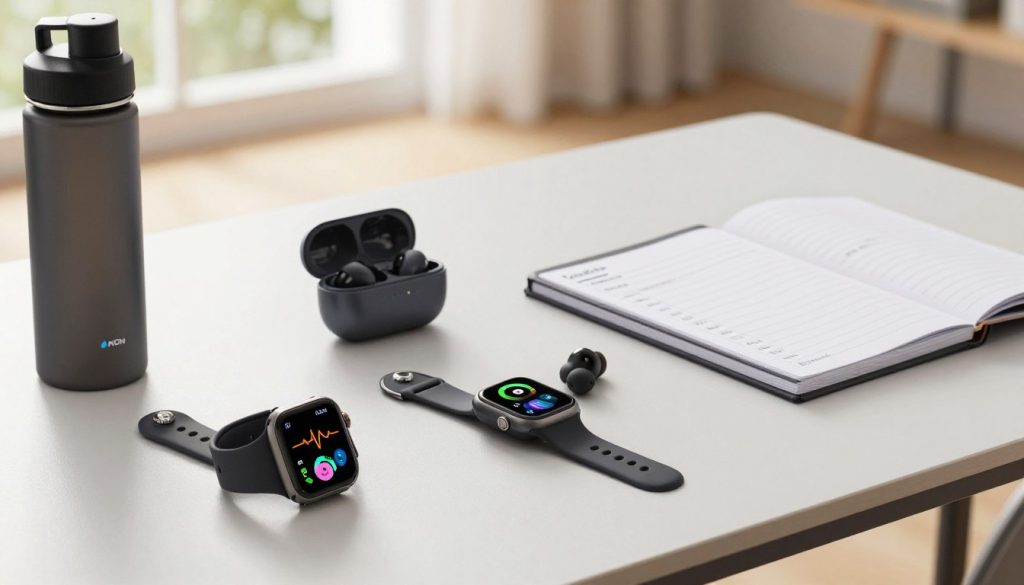
To get the most out of your health monitoring devices, you need to be aware of the potential downsides. While fitness tracking technology can be incredibly beneficial, there are several common mistakes that users make which can hinder their progress or lead to frustration.
Don’t Obsess Over Every Single Number
One of the most common pitfalls is becoming too fixated on the data provided by your device. It’s easy to get caught up in hitting daily step goals or achieving certain heart rate zones, but obsessing over every single number can lead to burnout or an unhealthy relationship with your device.
Instead, focus on the overall trends and how your body feels. Use the data to inform your decisions, but don’t let it dictate your entire fitness journey.
Don’t Skip Proper Device Maintenance and Updates
Another common mistake is neglecting to properly maintain and update your device. This can lead to inaccurate readings, reduced battery life, or even complete device failure.
Regularly clean your device, update the software, and check for any issues that may affect its performance. By doing so, you’ll ensure that your device continues to provide accurate and reliable data.
Don’t Ignore What Your Body Tells You
It’s also important not to ignore your body’s signals. If you’re feeling fatigued or experiencing pain, don’t push yourself too hard just to meet a certain goal. Fitness tracking technology is meant to be a tool, not a source of stress.
Listen to your body and take rest days when needed. This will help prevent overtraining and reduce the risk of injury.
Don’t Forget to Adjust Settings as You Improve
As you get more comfortable with your health monitoring devices and your fitness level improves, it’s essential to adjust your settings accordingly. This might mean updating your goals, changing your workout routines, or modifying your device settings to better suit your needs.
By doing so, you’ll continue to challenge yourself and make progress towards your fitness goals.
Conclusion
Embracing fitness wearables can be a game-changer for your fitness journey. By understanding what these devices can do and how to use them effectively, you can unlock a wealth of information about your body and behavior.
With the right fitness wearable, you can track your progress, set achievable goals, and stay motivated to reach new heights. Whether you’re a seasoned athlete or just starting out, these devices provide valuable insights that help you optimize your workouts and daily activities.
By applying the knowledge gained from your fitness wearable, you can make informed decisions about your health and wellness. Take control of your fitness journey today and discover the potential that fitness wearables have to offer.