
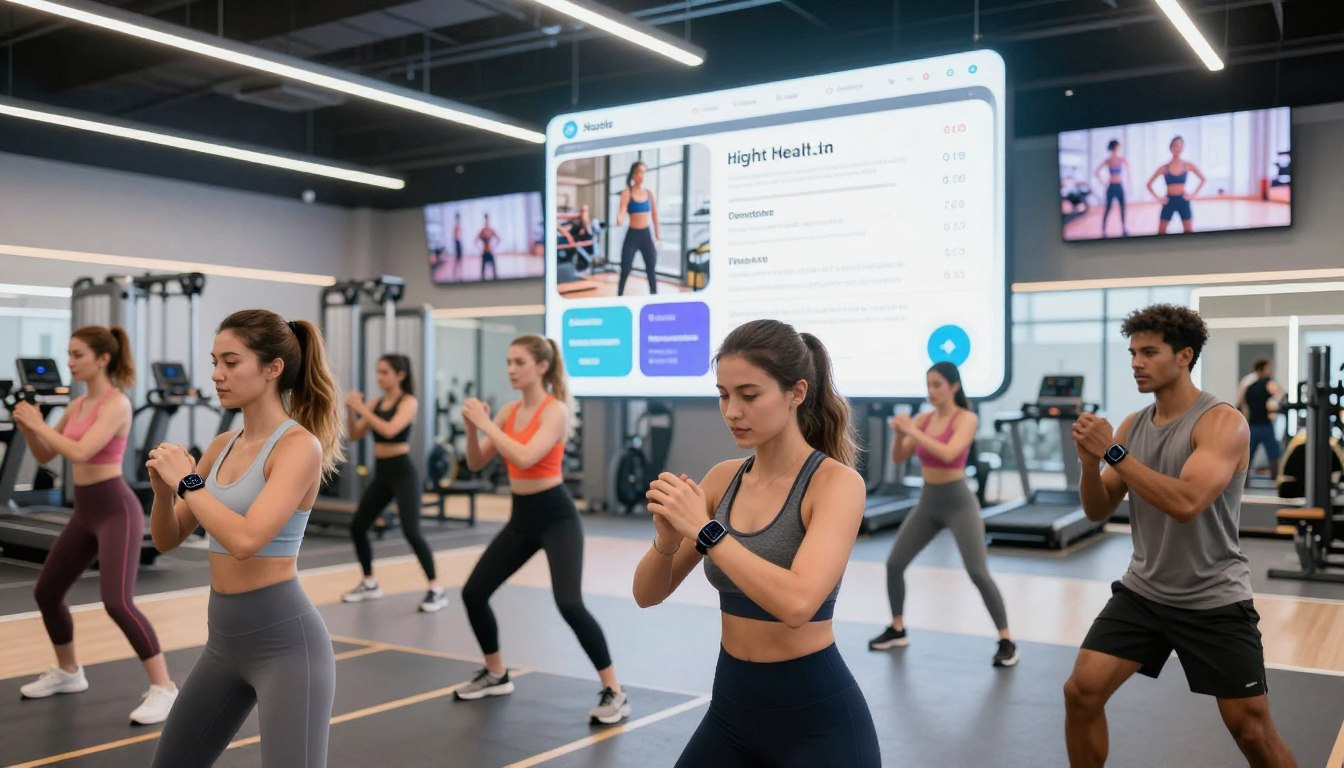
Did you know that over 800 million people globally now wear smart devices to track heart rates plus daily steps? This massive shift shows how much we rely on modern tools to stay well. Technology is moving fast, changing daily routines into data-driven paths for better living.
From Apple Watches that monitor sleep to apps like Peloton connecting us with virtual trainers, the options are vast. These tools bring the gym directly into your living room. Navigating such modern movements helps you pick the right equipment for your specific goals.
Choosing the right path shouldn’t feel stressful. Our guide explores how these shifts impact your wellbeing. By understanding these new movements, you can make great choices that boost your personal vitality every single day.
Key Takeaways
- Wearable tech is more popular than ever globally.
- Home workouts provide huge flexibility for busy lives.
- Personal data helps create a custom wellness plan.
- Smart gadgets track more than just basic steps.
- Virtual communities offer support plus extra motivation.
How to Identify the Digital Health and Fitness Trends That Work for You
In the ever-evolving landscape of digital health and fitness, pinpointing the trends that align with your personal goals is crucial. With numerous options available, it’s easy to feel overwhelmed. However, by following a few key steps, you can identify the trends that will have the most significant impact on your health and fitness journey.
Step 1: Define Your Personal Health and Fitness Objectives
Before diving into the world of digital health and fitness trends, it’s essential to define what you hope to achieve. Are you looking to improve your cardiovascular health, increase your strength, or simply maintain a balanced lifestyle? Establishing clear objectives will help you focus on the trends that matter most to you.
Step 2: Explore the Main Categories of Wellness Technology
Once your goals are clear, you can start exploring the main categories of wellness technology. This includes fitness gadgets like smartwatches and fitness trackers, as well as more advanced technologies such as virtual reality fitness platforms. Understanding the different types of wellness technology available will help you identify which trends are worth exploring further.
Step 3: Match Trends to Your Daily Routine and Budget
Finally, it’s crucial to match the digital health and fitness trends you’ve identified to your daily routine and budget. Consider how much time you’re willing to dedicate to using a particular technology or trend, and whether it fits within your budget. Ensuring that the solutions you choose are both practical and sustainable will help you achieve your health and fitness goals in the long term.
By following these steps, you can effectively identify the digital health and fitness trends that will work best for you, helping you achieve a healthier and more balanced lifestyle.
Select and Set Up Wearables and Health Tracking Apps
As you dive into the world of digital health and fitness, the selection of wearables and health tracking apps becomes essential. These tools are fundamental in tracking your progress, understanding your health metrics, and making informed decisions about your fitness regimen.
Step 1: Choose the Best Fitness Gadgets for Your Needs
Selecting the right wearables depends on your specific health and fitness goals. For instance, if you’re focused on cardiovascular health, a smartwatch with a built-in heart rate monitor and GPS could be ideal. On the other hand, if you’re more interested in tracking your daily activity, a simple yet effective step tracker might suffice.
Key Considerations:
- Compatibility with your smartphone or tablet
- Battery life and charging requirements
- Water resistance and durability
- The type of data you want to track (steps, heart rate, sleep, etc.)
Step 2: Download and Configure Essential Health Tracking Apps
Once you’ve chosen your wearables, the next step is to download and configure health tracking apps that complement your devices. These apps can range from workout trackers to nutrition planners and sleep analyzers.
Popular Health Tracking Apps:
| App Name | Primary Function | Compatibility |
|---|---|---|
| MyFitnessPal | Nutrition tracking | iOS, Android |
| Strava | Fitness and workout tracking | iOS, Android |
| Sleep Cycle | Sleep analysis | iOS, Android |
Step 3: Sync Your Devices and Customize Tracking Settings
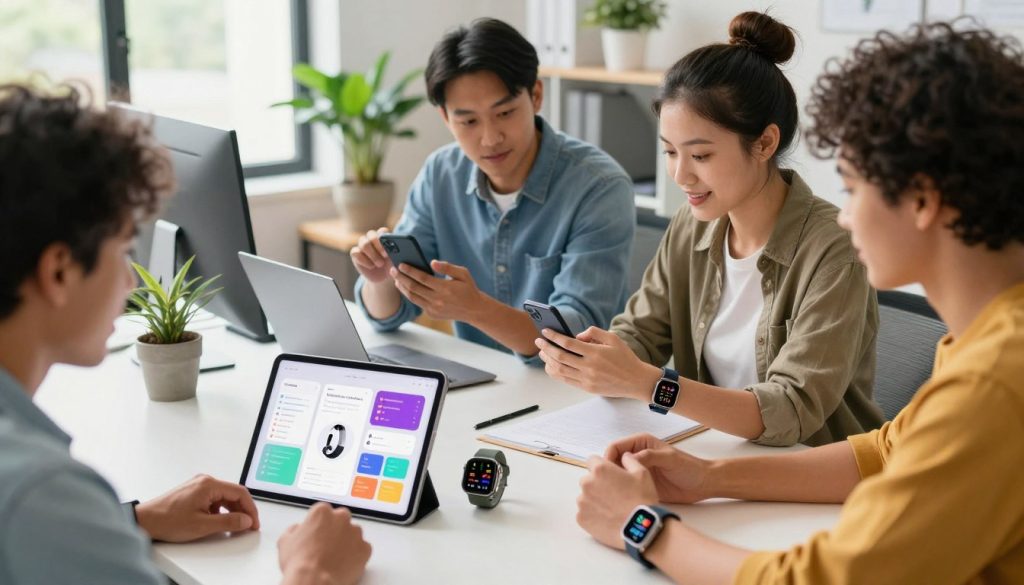
After setting up your devices and apps, it’s crucial to sync them to ensure seamless data transfer. Customize your tracking settings to focus on the metrics that matter most to you, whether it’s daily step count, workout intensity, or sleep quality.
Step 4: Learn to Analyze Your Health Data
Understanding the data collected by your wearables and health tracking apps is key to making informed decisions about your health and fitness. Look for trends in your data, such as changes in your heart rate, improvements in your sleep, or increases in your daily activity levels.
By regularly reviewing your health data, you can adjust your fitness regimen to better meet your goals, whether that’s improving your overall health, preparing for a specific event, or simply maintaining a balanced lifestyle.
Access Telemedicine and Remote Personal Training Services
The integration of technology in healthcare and fitness has given birth to innovative services like telemedicine and remote personal training. These services have transformed the way individuals access medical care and fitness guidance, making it more convenient and accessible.
“Telemedicine has been a game-changer for me. I can now consult with my doctor from the comfort of my own home,” says a satisfied patient. This sentiment is echoed by many who have embraced the convenience of virtual healthcare services.
Sign Up for a Telemedicine Platform
The first step in accessing telemedicine services is to sign up for a reputable telemedicine platform. This involves selecting a platform that suits your needs, creating an account, and providing necessary medical information. Many telemedicine platforms offer a range of services, from general medical consultations to specialized care.
When choosing a telemedicine platform, consider factors such as the qualifications of the healthcare professionals, the range of services offered, and user reviews. It’s essential to select a platform that aligns with your healthcare needs.
Prepare for and Schedule Virtual Health Consultations
Before your virtual consultation, prepare by gathering any relevant health information, such as your medical history and current medications. Scheduling your appointments at a convenient time ensures that you can attend without any conflicts.
Being prepared for your virtual consultation can significantly enhance your experience. Ensure you have a stable internet connection and a quiet, private space for the consultation.
Connect with Online Personal Training Programs
In addition to telemedicine, connecting with online personal training programs can help you achieve your fitness goals. These programs offer personalized workout plans and coaching from certified trainers.
When selecting an online personal training program, consider your fitness goals, the qualifications of the trainers, and the program’s flexibility. A good program should offer customized plans and ongoing support.
Integrate Remote Health Monitoring Devices
Integrating remote health monitoring devices can further enhance your telemedicine and personal training experience. These devices allow for real-time tracking of vital signs and other health metrics.
By using remote health monitoring devices, you can provide your healthcare providers and trainers with accurate and up-to-date information, enabling them to offer more effective guidance and support.
As highlighted by a fitness expert, “The combination of telemedicine, remote personal training, and health monitoring devices creates a comprehensive approach to health and wellness.”
“The future of healthcare is not just about treating illnesses, but about preventing them through proactive and personalized care.”
Start Using Virtual Fitness Classes and Online Workouts
Embracing virtual fitness classes and online workouts can revolutionize your exercise routine. With the flexibility to work out from anywhere, at any time, these digital fitness solutions cater to a wide range of preferences and fitness goals.
Selecting Your Virtual Fitness Platform
The first step in incorporating virtual fitness into your lifestyle is to choose a platform that aligns with your fitness objectives. Popular options include Nike Training Club, Peloton Digital, and YogaGlo, each offering a variety of classes and training programs.
- Consider the types of workouts offered (yoga, HIIT, strength training, etc.).
- Check the qualifications and experience of the instructors.
- Look for user reviews and ratings to gauge the community’s satisfaction.
- Evaluate the cost and whether it fits within your budget.
Building Your Home Workout Setup
Creating an effective home workout space is crucial for a successful virtual fitness journey. Your setup will depend on the types of workouts you choose, but here are some essentials to consider:
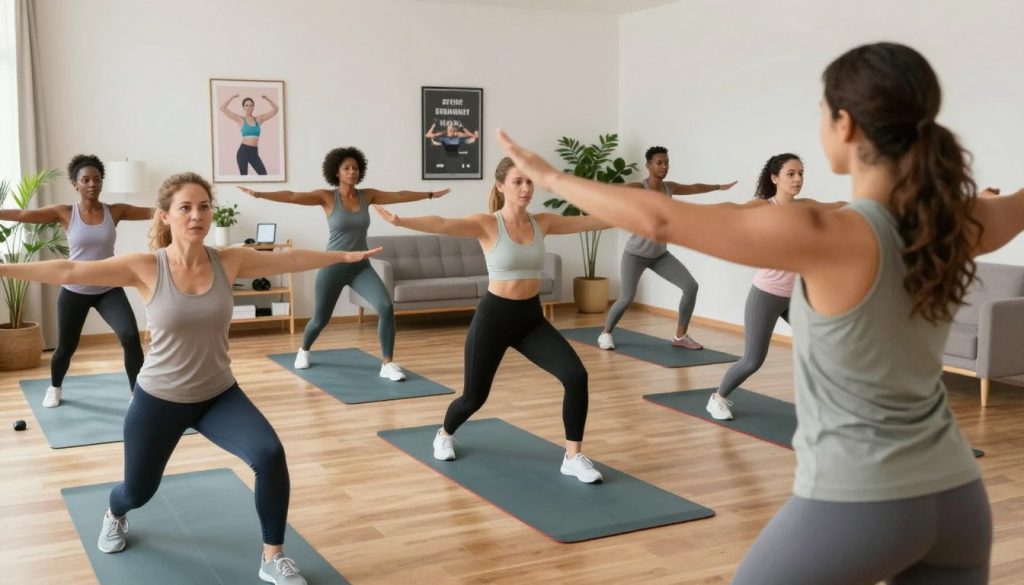
- A good quality yoga mat for floor exercises and stretching.
- Dumbbells or resistance bands for strength training.
- A stable internet connection for uninterrupted streaming.
- A tablet or smart TV for a better viewing experience.
Designing Your Weekly Online Workout Schedule
Consistency is key to achieving your fitness goals. Plan your weekly workout schedule around your virtual fitness classes and stick to it. Consider your daily routine and preferences when scheduling your workouts.
- Start with 2-3 days per week and gradually increase frequency.
- Mix different types of workouts to avoid plateaus and prevent overuse injuries.
- Allow for rest days to recover and rebuild muscle.
Tracking Progress and Maintaining Motivation
Monitoring your progress and staying motivated are crucial for long-term success. Most virtual fitness platforms offer tracking features, but you can also use a fitness journal or mobile apps like MyFitnessPal or Strava.
- Set realistic goals and celebrate your achievements.
- Join online fitness communities for support and motivation.
- Reward yourself with new workout gear or a fitness-related treat.
Conclusion
As we’ve explored, staying on top of digital health and fitness trends can be a game-changer for your wellbeing. By identifying the trends that work for you and leveraging the right tools and services, you can achieve a healthier, more balanced lifestyle.
With technology continuing to evolve at a rapid pace, the future of digital health and fitness holds much promise. Staying informed and adaptable will enable you to capitalize on new developments and continue on your path to improved health and fitness.
By integrating digital health and fitness trends into your daily routine, you’ll be better equipped to reach your personal health objectives. Whether it’s through wearables, telemedicine, or virtual fitness classes, the key is to find what works best for you and stay committed to your goals.